
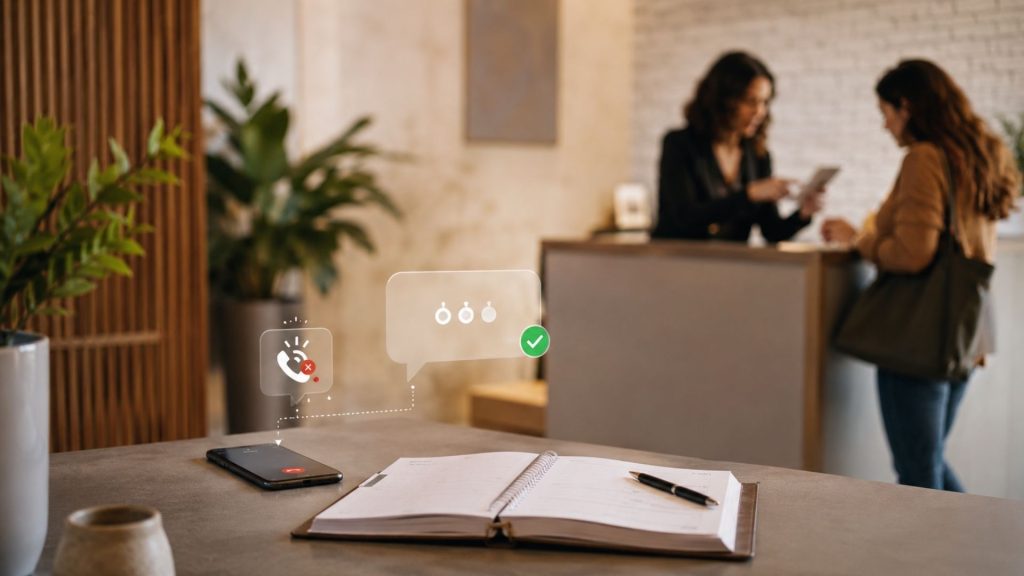
How Missed Call Text Back Helps Businesses Respond to Leads Faster
When a potential customer calls your business, there’s usually a reason. They may want to ask about a service, request a quote, schedule an appointment, or find out how quickly you can help.
But you can’t always answer every call.
Your team may be helping another customer, working in the field, in a meeting, or simply receiving a call after business hours. The problem isn’t necessarily missing the call. It’s what happens afterward.
A missed call text back system can automatically send a text message when an incoming call isn’t answered, giving the caller an immediate acknowledgment and another way to continue the conversation.
Instead of leaving the caller wondering whether anyone will get back to them, your business can respond almost immediately—even when someone isn’t available to pick up the phone.

What Is Missed Call Text Back?
Missed call text back is an automation that sends an SMS message after a business misses an incoming call.
For example, someone might call a local service company while the team is busy with another customer. Rather than receiving only voicemail, the caller could also receive a message such as:
“Hi! Thanks for calling [Business Name]. Sorry we missed you. How can we help? Reply here and our team will get back to you as soon as possible.”
The customer can then respond by text instead of waiting for someone to return the call.
Platforms such as HighLevel provide a built-in Missed Call Text Back feature that can automatically send a customized SMS after an unanswered inbound call. The message can also use available contact and business information for personalization. HighLevel provides additional information about how its Missed Call Text Back feature works.
Why Missed Calls Matter for Small Businesses
A missed call doesn’t automatically mean you’ve lost a customer. However, it can create a gap at an important point in the customer’s decision-making process.
Someone searching for a plumber, contractor, cleaning company, insurance agent, consultant, or other service provider may contact several businesses while comparing options. If they can’t reach the first company, they may move on to another.
Responding quickly helps keep the conversation open.
Missed call text back gives the caller an immediate sign that their inquiry hasn’t disappeared into a voicemail inbox. It also lets them provide additional information while the reason for their call is still fresh.
How Missed Call Text Back Works
The process is intentionally simple.
A potential customer calls your business number. If the call isn’t answered and the system identifies it as a missed call, the automation triggers a predetermined SMS response.
The caller receives the message on their phone and can reply directly. Your team can then continue the conversation and follow up personally when someone becomes available.
HighLevel’s current feature can be configured with a customized message, tested before activation, and used for situations such as after-hours calls. HighLevel also notes that the basic feature can trigger a text for every missed call, including repeated calls, so businesses that need more control can use workflows to create more customized logic.
Why Automated Texting Can Improve Lead Follow-Up
The biggest advantage isn’t simply automation. It’s reducing the time between a customer’s attempt to contact your business and your first response.
Without automation, a missed call may sit unanswered until someone notices the voicemail or call log. Depending on how busy the day becomes, that could take much longer than intended.
A missed call text can create an immediate bridge between the initial phone call and the personal follow-up that comes next.
This can be especially useful for businesses where employees aren’t sitting beside a phone all day. Home service companies, contractors, real estate professionals, medical and wellness offices, consultants, and other appointment-based businesses may all receive calls while their teams are actively working with customers.
Give Customers Another Way to Respond
Not every customer wants to leave a voicemail.
Some callers may hang up without leaving any information, especially if they’re making a quick inquiry. Others may find it easier to respond to a text with a simple question or explanation of what they need.
A missed call text back gives customers another communication option without requiring them to call your business a second time.
For example, someone who initially called for a quote could respond to the automated message with details about the service they need. When your team follows up, you already have more context for the conversation.
Missed Call Text Back Can Help After Business Hours
Customers don’t always search for businesses during normal office hours.
Someone may discover your company through Google in the evening, call during lunch, or reach out over the weekend. If no one is available, an automated response can acknowledge the inquiry until your team returns.
The message should set realistic expectations rather than making promises your team can’t keep.
For example, you might let the caller know that you’ve received their inquiry and that someone will respond during normal business hours. This provides useful information without making the interaction feel overly automated.
Automation Should Support Personal Follow-Up, Not Replace It
One of the most important things to remember about missed call text back automation is that the automated message is only the beginning of the conversation.
The goal isn’t to remove people from customer service. It’s to help your team respond more consistently when they aren’t immediately available.
Once the caller replies, a real team member should take over when appropriate, answer questions, provide information, schedule an appointment, or make the return call.
The strongest automation strategies usually handle repetitive steps while allowing people to focus on the conversations where personal attention matters most.
What Should a Missed Call Text Message Say?
Keep the first message short, clear, and conversational. The caller should immediately understand who is contacting them and why.
A good message generally identifies the business, acknowledges the missed call, and gives the caller a simple next step.
For example:
“Hi, this is [Business Name]. Sorry we missed your call. How can we help? Reply to this message and we’ll get back to you as soon as we can.”
Avoid making the message unnecessarily long or filling it with promotional language. The customer just tried to contact you, so the most useful response is usually one that helps them continue that conversation.
Avoid Sending Too Many Automated Messages
Automation needs thoughtful setup.
If someone calls multiple times within a short period, you probably don’t want them receiving the same automated text after every attempt.
HighLevel specifically notes that its basic Missed Call Text Back feature can trigger an SMS for every missed call. For businesses that need more control, a customized workflow can add conditions, waiting periods, tags, or other logic to reduce unnecessary duplicate messages.
This is one reason professional automation setup can be valuable. The goal isn’t simply to switch on as many automations as possible. It’s to create a communication process that feels helpful to the customer and manageable for your team.
Connect Missed Call Text Back With a Larger Follow-Up System
A missed call response becomes even more useful when it’s connected to the rest of your lead management process.
For example, a business may use automation to record the contact, notify a team member, organize the lead in a pipeline, create a follow-up task, or trigger different actions based on what happens next.
HighLevel also supports workflow triggers based on call outcomes such as calls that were not answered, reached voicemail, were busy, or were completed. This gives businesses additional options for building follow-up processes around incoming calls.
Instead of treating the missed call as an isolated event, your business can create a more organized process for making sure inquiries receive attention.
Don’t Forget SMS Compliance
Business texting also comes with responsibilities. Automated SMS should be configured with applicable consent, sender identification, opt-out, carrier, and legal requirements in mind.
Messaging requirements can vary depending on where your business operates, the type of message being sent, and how customer consent was collected. For U.S. messaging, businesses should also be aware of carrier requirements that may apply to application-to-person messaging.
If your business uses a messaging provider, review its current requirements before launching automated SMS campaigns. For example, Twilio’s Messaging Policy explains requirements involving consent, sender identification, and opt-out handling.
Compliance shouldn’t be treated as an afterthought. It should be considered when your forms, phone system, automations, and follow-up messages are being configured.
Is Missed Call Text Back Right for Your Business?
If phone calls are an important source of leads, missed call automation may be worth considering.
It’s particularly useful when your team regularly receives calls while working with other customers, spends significant time away from a desk, receives inquiries after hours, or has difficulty returning every missed call quickly.
It may also be valuable if you’re investing in SEO, Google Ads, social media, or other marketing campaigns designed to generate calls. After spending time and money attracting a potential customer, having a reliable follow-up process can help you make better use of those opportunities.
Website Marketing and Follow-Up Should Work Together
Generating traffic is only one part of digital marketing.
Your website, SEO, advertising, contact forms, phone calls, and follow-up systems should work together to make it easier for potential customers to connect with your business.
A well-designed website might convince someone to call, but what happens after they click the phone number matters too. Combining strong website design with thoughtful lead follow-up can create a smoother experience from the first website visit through the first real conversation.
How OrangeSky Websites Can Help
At OrangeSky Websites, we look beyond simply getting people to your website. The next step is making it easier for those visitors to become actual leads and customers.
That can include professional website design, SEO, PPC, contact forms, lead management, and automation strategies such as missed call text back and automated follow-up.
The right setup depends on how your business operates. Rather than adding automation simply because it’s available, we can help identify where it makes sense in your customer journey and how it can support your existing team.
Want to improve how your business handles incoming leads? Contact OrangeSky Websites to discuss your website, digital marketing, and lead follow-up needs.
Final Thoughts
You won’t always be able to answer the phone, but a missed call doesn’t have to mean the end of the conversation.
A missed call text back system can acknowledge an unanswered call quickly, give potential customers another way to communicate, and help your team create a more consistent follow-up process.
When it’s configured thoughtfully and combined with personal follow-up, it can become a simple but useful part of a larger lead generation and customer communication strategy.
Frequently Asked Questions
What is missed call text back?
Missed call text back is an automation that sends an SMS message when an incoming business call isn’t answered. The message acknowledges the call and can invite the caller to continue the conversation by text.
Can GoHighLevel automatically text a missed caller?
Yes. HighLevel offers a Missed Call Text Back feature that can automatically send a customized SMS when an inbound call is missed. Businesses that need more advanced conditions can also build workflows around call outcomes.
Does missed call text back replace voicemail?
Not necessarily. The two can work together. Voicemail gives callers the opportunity to leave a message, while an automated text gives them another way to communicate with the business.
Should every missed call receive an automated text?
Not always. Your setup should account for repeated calls, customer preferences, business hours, and the type of calls your company receives. Workflow conditions can help create a better experience than automatically sending the same message every time.
Can missed call automation help generate more leads?
It can help businesses respond more consistently to people who have already shown interest by calling. Results depend on factors such as the quality of the lead, the message, response time, and how effectively the team handles the conversation afterward.
Is automated SMS subject to messaging rules?
Yes. Businesses should consider applicable consent, identification, opt-out, carrier, and legal requirements when using automated text messaging. Requirements vary by use case and location, so businesses should review current rules and provider policies before implementing an SMS automation.