
Hot Leads Follow-Up Strategy: How to Convert Leads Before They Go Cold
Not all leads are equal.
Some people are casually browsing, while others are actively searching for a solution and ready to make a decision. These high-intent prospects are known as hot leads, and how quickly you respond to them can determine whether they become paying customers—or disappear entirely.
A strong hot leads follow-up strategy is one of the most important elements of any modern sales system. Yet it is also one of the most commonly overlooked. Many businesses invest heavily in marketing, only to lose valuable leads because response times are too slow.
Why Speed Matters in Lead Conversion
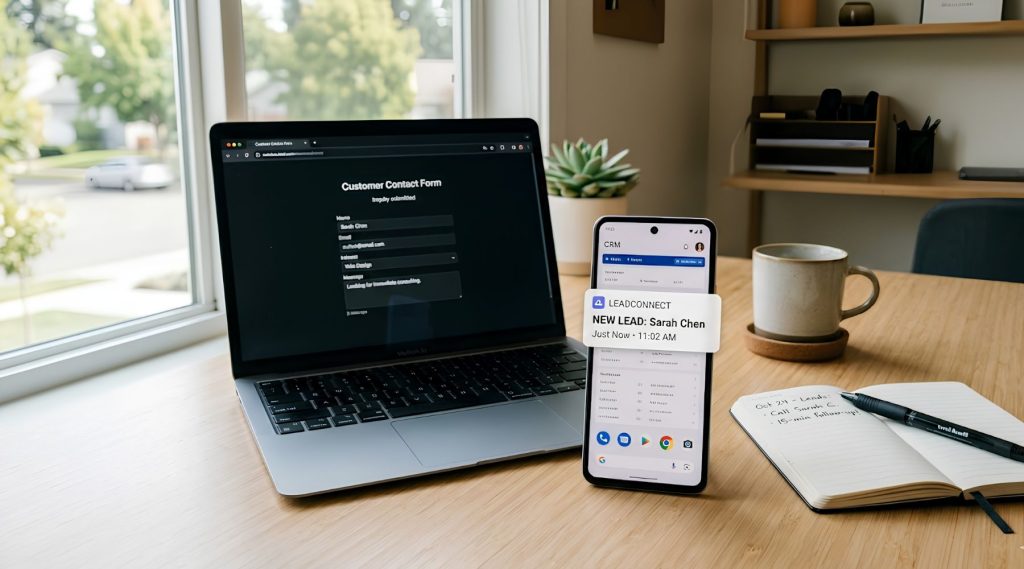
When someone submits a form, requests a quote, or contacts your business online, they are at their highest level of interest. In that moment, they are actively comparing options, checking competitors, and evaluating who can respond fastest and most effectively.
But that window is extremely short.
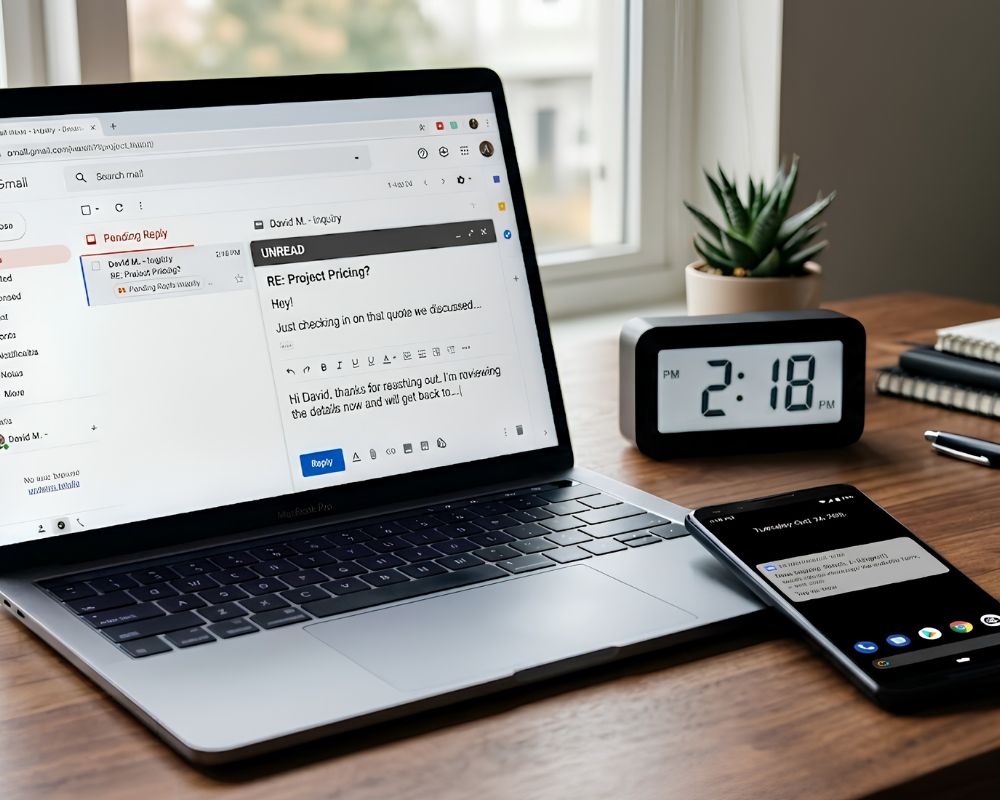
Interest fades quickly when there is no immediate response. A lead that is warm at 10:00 AM can feel uncertain by 10:30 AM. By the next day, they may have already chosen a competitor.
This is why speed is not just an advantage—it is a deciding factor.
The 15-Minute Window That Changes Everything
Research and real-world sales data consistently show that leads contacted within 15 minutes are significantly more likely to convert.
During this short window, several things work in your favor. The prospect still remembers your brand clearly, their intent is still strong, and they are more likely to engage in conversation. Your business also appears more responsive and professional, which builds immediate trust.
Once that window passes, however, the situation changes. The lead becomes less engaged, competitors may step in, and your chances of closing the deal decrease rapidly.
In simple terms, time directly impacts revenue.
| Response Time | Conversion Odds | What the Customer Thinks |
| 0–5 Minutes | Off the Charts | “Wow, they’re on top of it!” |
| 5–15 Minutes | Very High | “They seem professional.” |
| 30–60 Minutes | Low | “I’ll talk to them if the first guy doesn’t work out.” |
| Next Day | Near Zero | “Who was this again?” |
What Slow Follow-Up Is Really Costing You
Most businesses don’t realize how many opportunities slip away simply because no one followed up quickly enough.
You might already be spending money on ads or SEO to generate leads from platforms like Google Ads or organic searches through Google Search. But if those leads sit unanswered for hours, that investment loses its impact.
It’s not that the leads aren’t good. It’s just that someone else responded first.
And in most industries, the first business to respond usually has the advantage.
What a Good Follow-Up Strategy Actually Looks Like
A strong follow-up system doesn’t rely on guessing or hoping someone remembers to reply. It’s built around simple, consistent actions.
First, every lead should get an immediate response. Even if a full conversation can’t happen right away, a quick message confirming their inquiry makes a big difference. It shows you’re paying attention.
Next comes the human follow-up. Ideally, someone from your team should reach out within minutes—not hours. The goal is to catch the lead while they’re still interested and available.
Finally, there should be a system in place to make sure no lead is missed. This is where structure matters more than effort alone.
Why Automation Helps More Than It Replaces
A lot of people hear “automation” and think it removes the human side of business. But in reality, it does the opposite—it just helps you respond faster and more consistently.
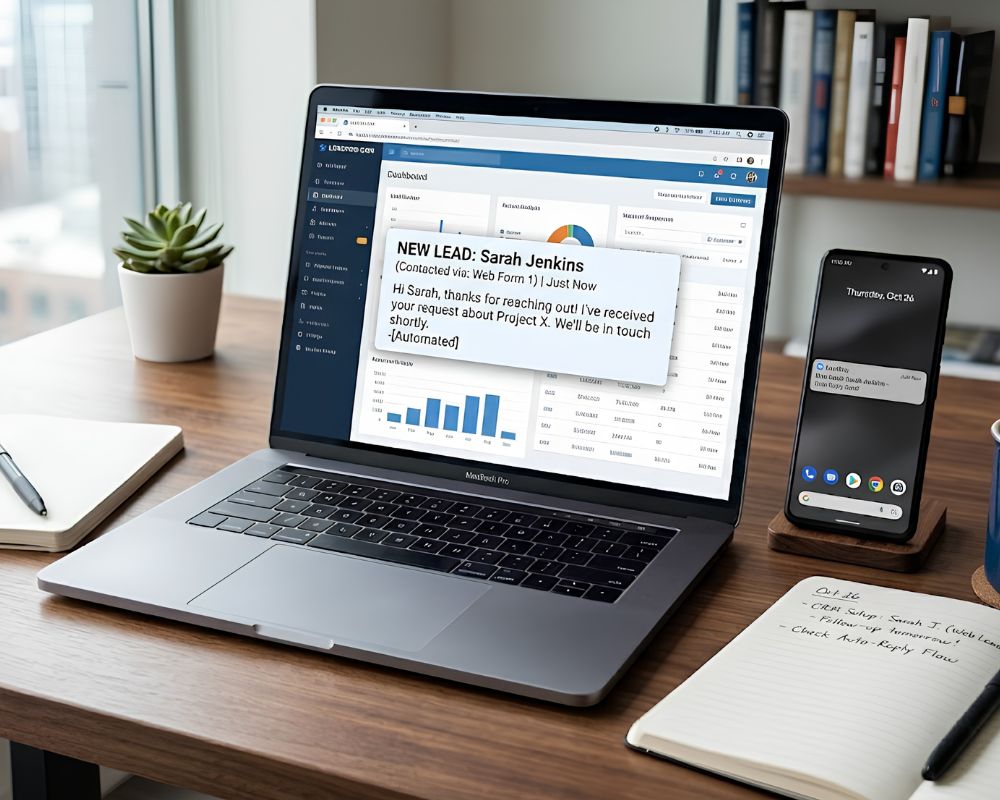
With automation, new leads can instantly trigger notifications to your team. They can also receive an automatic message so they’re not left waiting.
Something as simple as:
“Thanks for reaching out—we’ve received your message and will get back to you shortly.”
This keeps the lead engaged while your team prepares a proper response.
It’s not about replacing conversation—it’s about making sure the conversation actually happens.
Why Fast Follow-Up Improves Conversions
When you respond quickly, a few things happen naturally.
The lead feels heard. They’re more likely to reply. The conversation flows easier. And overall, the trust level is higher from the start.
When response times are slow, the opposite happens. The lead cools off, motivation drops, and sometimes they don’t respond at all.
Even improving your response time by just a small margin can noticeably increase your conversion rate over time.
A Simple Way to Check Your Own Process
If you’re not sure how strong your follow-up system is, ask yourself this:
When a new lead comes in, how long does it usually take before someone responds?
If the answer varies—or depends on how busy the day is—that’s usually a sign there’s room for improvement.
Consistency matters more than perfection. A simple, reliable system will always outperform a “sometimes fast” approach.
Final Thoughts: Speed Is Still a Competitive Advantage
Hot leads don’t stay hot for long.
A solid hot leads follow-up strategy is really about one thing—responding while interest is still high. The faster you do that, the more likely you are to turn inquiries into real customers.
At OrangeSky Websites, we help businesses set up systems that make this easier. From automated follow-ups to CRM workflows and lead management setups, the goal is simple: make sure no opportunity is missed just because of timing.
If your business is generating leads but not converting as many as it should, the issue might not be your marketing—it might just be your response time.
And that’s something you can fix faster than you think.