

Build a Smarter Keyword Strategy for SEO Success
Keywords are often the first thing people think about when it comes to SEO—and for good reason. They connect your website to what your audience is searching for. But successful SEO goes far beyond simply inserting a keyword into your content a few times.
A well-developed keyword strategy for SEO focuses on understanding how people search, what they’re looking for, and how competitive those search terms are. When done correctly, it helps your website attract the right visitors, improve rankings, and generate more qualified leads.
If your goal is to rank higher on search engines and bring in better traffic, it’s time to look at keywords from a more strategic perspective.
Why Keywords Alone Aren’t Enough
Many businesses make the mistake of thinking SEO starts and ends with picking a single keyword and repeating it throughout a page. While keywords are essential, search engines have become much more advanced. They now evaluate context, relevance, and overall content quality.
This means your content should not only include your target keyword but also support it with related terms, helpful information, and a clear structure. Instead of focusing on one phrase, your goal should be to build a topic around what your audience is searching for.
A strong keyword strategy ensures your content aligns with real user intent rather than just technical optimization.

Understanding Long-Tail Keywords
Long-tail keywords are one of the most powerful yet underutilized tools in SEO. These are longer, more specific search phrases that users type when they know exactly what they’re looking for.
For example, instead of searching for “SEO,” someone might search for “keyword strategy for small business websites.” While long-tail keywords typically have lower search volume, they often bring in more qualified traffic.
This happens because users searching for specific phrases are usually closer to making a decision. They already know what they want, and they’re looking for the right solution.
Although long-tail keywords may seem more difficult to identify, they can significantly improve your chances of ranking higher—especially if your website is competing in a crowded market.
What Is Keyword Difficulty and Why It Matters
Not all keywords are created equal. Some are highly competitive, meaning many websites are already trying to rank for them. This is where keyword difficulty comes into play.
Keyword difficulty measures how challenging it is to rank for a specific search term. High-volume keywords often come with high competition, making it harder for smaller or newer websites to appear on the first page of search results.
Instead of targeting only the most popular keywords, a smarter approach is to find a balance between search volume and competition. Choosing keywords with moderate difficulty gives your website a better chance to rank while still attracting meaningful traffic.
This strategy allows businesses to gain visibility faster and build momentum over time.
Target Keywords vs. Related Keywords
A strong keyword strategy is built around two main components: target keywords and related keywords.
Your target keyword is the primary phrase you want a specific page to rank for. This should be clearly reflected in your page title, headings, and content.
However, relying on just one keyword isn’t enough. That’s where related keywords come in. These are variations, synonyms, and supporting phrases that provide additional context to your content.
For example, if your target keyword is “keyword strategy for SEO,” related keywords might include:
- SEO keyword research
- long-tail keyword strategy
- keyword optimization tips
- search intent keywords
Using a mix of target and related keywords helps search engines better understand your content and improves your chances of ranking for multiple search queries.
Using Keyword Research Tools Effectively
Keyword research doesn’t have to be guesswork. Tools like SurferSEO and Semrush provide valuable insights into search volume, keyword difficulty, and related keyword opportunities.
These tools allow you to:
- Identify keywords your audience is searching for
- Analyze how competitive a keyword is
- Discover long-tail keyword opportunities
- Understand trends and search behavior
By using keyword research tools, you can make data-driven decisions instead of relying on assumptions. This leads to a more effective SEO strategy and better long-term results.
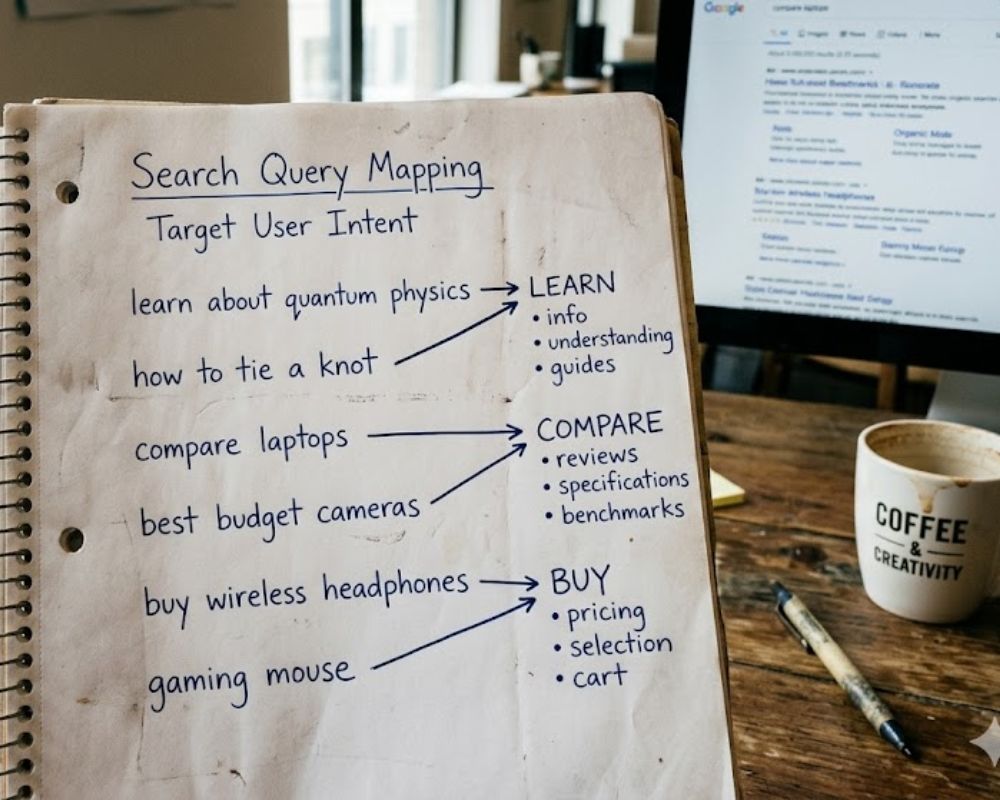
Aligning Keywords with Search Intent
Choosing the right keywords is only part of the equation. You also need to understand why someone is searching for that keyword.
Search intent generally falls into a few categories:
- Informational (looking for answers or guidance)
- Navigational (searching for a specific website)
- Transactional (ready to make a purchase or take action)
If your content doesn’t match the intent behind the keyword, it’s unlikely to perform well. For example, someone searching for “what is keyword difficulty” expects an explanation, not a sales page.
Aligning your content with search intent improves engagement, increases time on site, and boosts your chances of ranking higher.
Building a Keyword Strategy That Works
A successful keyword strategy isn’t about chasing every trending term—it’s about consistency and relevance. Start by identifying your main target keywords, then build content around them using related and long-tail variations.
Focus on creating valuable, well-structured content that answers real questions and solves problems. Over time, this approach builds authority and improves your site’s ability to rank for multiple keywords.
It’s also important to revisit and update your keyword strategy regularly. Search trends evolve, and staying current ensures your content remains competitive.
Common Keyword Strategy Mistakes to Avoid
Even with the right tools and intentions, businesses often make avoidable mistakes when working with keywords. These include targeting overly competitive terms, ignoring long-tail opportunities, or focusing too heavily on keyword placement instead of content quality.
Another common issue is failing to diversify keywords. Relying on a single phrase limits your reach, while a broader keyword strategy opens the door to more traffic and visibility.
Avoiding these pitfalls can make a significant difference in how your website performs in search results.
Final Thoughts: Turn Keywords Into Real Results
Keywords are the foundation of SEO, but success comes from how you use them. A thoughtful, well-researched keyword strategy helps your website attract the right audience, improve search rankings, and generate meaningful traffic.
By focusing on long-tail keywords, understanding keyword difficulty, and aligning content with search intent, your business can build a stronger online presence and compete more effectively in search results.
At OrangeSky Websites, we help businesses develop data-driven SEO strategies that go beyond basic keyword placement. From in-depth keyword research to content optimization, our team ensures your website is positioned to rank and convert.
Ready to improve your rankings and attract more qualified leads?
Contact us today and let us help you build a keyword strategy that drives real results.