Location Pages for SEO: How to Attract More Local Customers and Rank Higher
When people search for services today, they’re not just looking for what you offer—they’re looking for where you offer it. Whether it’s “plumber near me” or “best roofing company in [city],” location-based searches have become a major part of how customers find businesses online.
In fact, a large percentage of searches on Google Search are tied to local intent. That means if your business isn’t optimized for local visibility, you could be missing out on a significant number of potential customers.
One of the most effective ways to capture this traffic is by creating location pages for SEO.
What Are Location Pages?
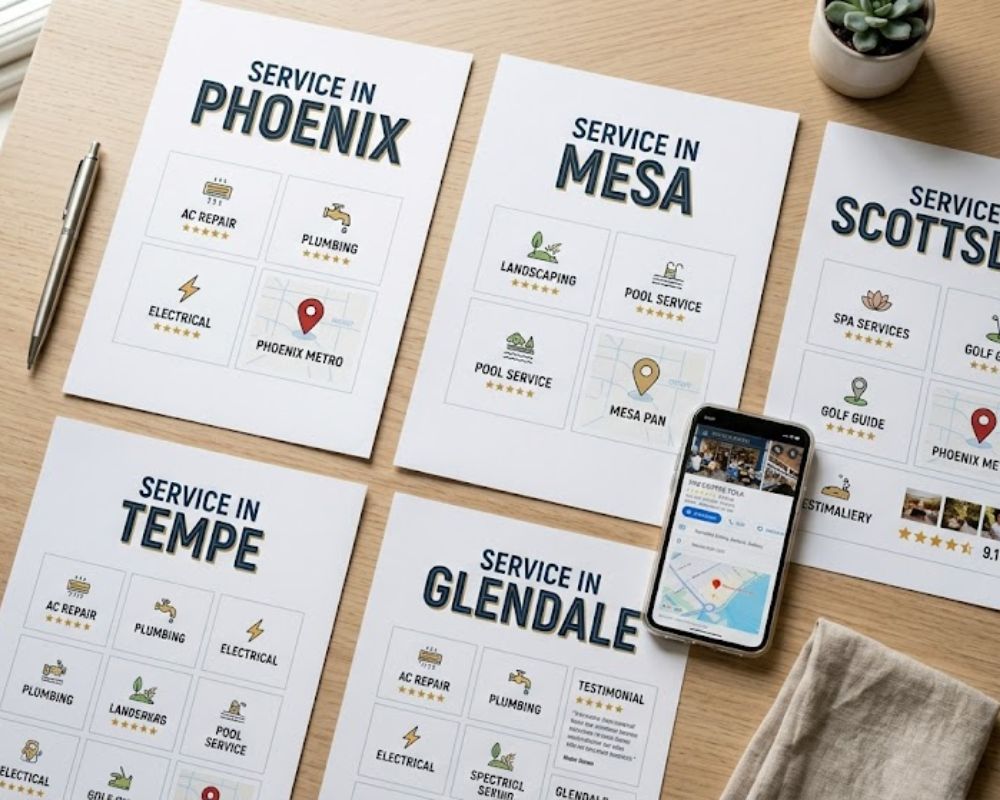
Location pages are dedicated pages on your website that target specific geographic areas where your business operates. Each page is optimized for a particular city, region, or service area.
Instead of having one general service page, you create multiple pages tailored to different locations. For example:
- “Roofing Services in Phoenix”
- “Pool Cleaning in Scottsdale”
- “Concrete Repair in Mesa”
Each page is designed to rank for location-specific searches, helping your business appear when customers are looking for services nearby.
Why Location Pages Matter for Local SEO
Local SEO is all about helping your business show up in searches that include geographic intent. When someone searches with terms like “near me” or includes a city name, search engines prioritize businesses that are clearly connected to that location.
Location pages send strong signals to search engines that your business serves those areas.
Without these pages, your website may struggle to rank for local searches—even if you provide services in those locations.
With well-optimized location pages, you increase your chances of appearing in:
- Local search results
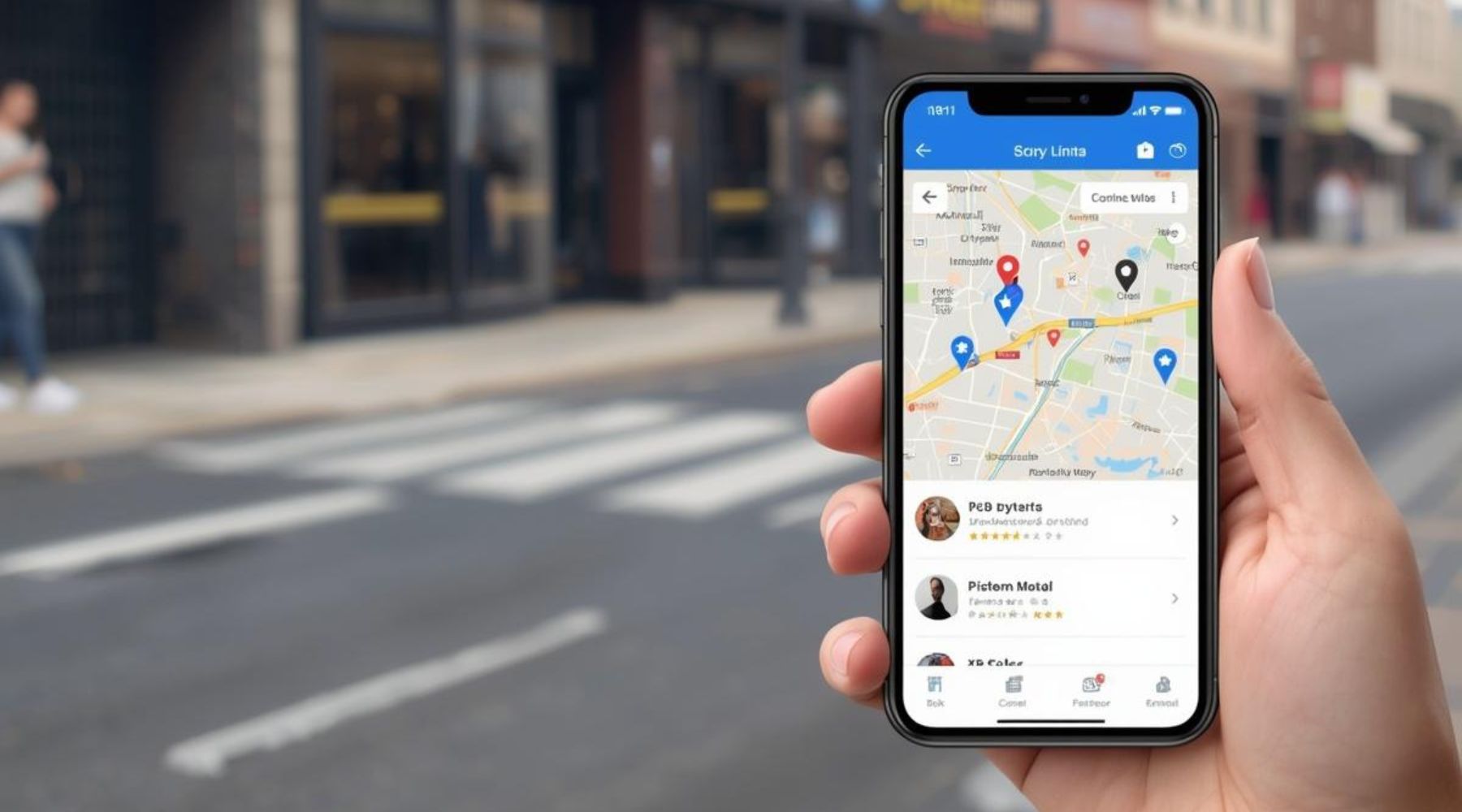
- Map listings
- The first page of search engine results
This visibility directly translates into more website visits, inquiries, and potential customers.
Capture “Near Me” and Local Searches
Search behavior has changed significantly over the years. Customers now expect fast, relevant results based on their location.
When someone types “near me” into a search engine, the algorithm looks for businesses with strong local relevance. This includes proximity, business listings, and website content.
Location pages help bridge that gap.
By including city names, service areas, and locally relevant content, your website becomes more aligned with what users are searching for. This increases the likelihood that your business will appear when it matters most—right when someone is ready to take action.
Improve Your Organic Rankings
One of the biggest benefits of location pages for SEO is their ability to boost your organic rankings.
Search engines rely on clear, structured information to understand what your website is about. When you create pages that are specifically optimized for different locations, you provide more opportunities for your site to rank.
Each location page acts as an additional entry point into your website.
Instead of relying on a single page to rank for multiple areas, you now have multiple pages targeting different keywords and locations. This expands your reach and increases your overall visibility.
The more relevant and optimized your pages are, the higher your chances of appearing on the first page of search results.
Provide Accurate and Relevant Information
Location pages aren’t just about keywords—they’re also about providing useful information to your audience.
A strong location page should include:
- The services you offer in that area
- Specific details about the location
- Contact information
- Service availability or coverage
This helps customers quickly determine whether your business is the right fit for their needs.
Accuracy is key. Make sure your business name, address, and phone number are consistent across your website and other platforms. This consistency strengthens your credibility with both users and search engines.
Avoid Duplicate Content and Add Local Value
One common mistake businesses make is copying the same content across multiple location pages and simply changing the city name.
This approach can hurt your SEO performance.
Search engines prioritize unique, valuable content. If your pages are too similar, they may not rank as well.
Instead, focus on adding local relevance to each page. You can:
- Mention local landmarks or neighborhoods
- Highlight specific services popular in that area
- Include testimonials from local customers
- Address location-specific needs or challenges
By making each page unique, you improve both user experience and search rankings.

Strengthen Your Overall SEO Strategy
Location pages don’t just help with local SEO—they also support your overall digital marketing strategy.
They create more opportunities for internal linking, allowing you to connect your service pages, blog content, and other resources.
They also work well alongside tools like Google My Business, helping reinforce your local presence across multiple channels.
When combined with strong on-page SEO, keyword optimization, and quality content, location pages become a powerful asset for long-term growth.
Turn Local Traffic Into Real Leads
The ultimate goal of location pages is to convert visitors into customers.
When someone lands on a page that clearly speaks to their location and needs, they’re more likely to take action. Whether it’s calling your business, filling out a form, or requesting a quote, localized content builds confidence and trust.
It shows that your business understands the area and is ready to serve customers there.
This targeted approach leads to higher-quality traffic and better conversion rates compared to general, non-localized pages.
Getting Started with Location Pages
If you’re new to location pages, the best place to start is by identifying the areas you serve.
From there:
- Create a dedicated page for each location
- Use location-specific keywords naturally
- Add unique, valuable content to each page
- Include clear calls to action
- Keep your information accurate and consistent
You don’t need to create dozens of pages overnight. Start with your primary service areas and expand over time as your business grows.
Final Thoughts: Expand Your Reach with Location Pages
If you want to attract more local customers and improve your search rankings, creating location pages is a smart and effective strategy.
They help your business appear in local searches, provide valuable information to your audience, and increase your chances of turning visitors into paying customers.
At OrangeSky Websites, we specialize in building high-performing websites and SEO strategies that drive real results. From creating optimized location pages to improving your overall online presence, our team is here to help your business grow.
Ready to rank higher and reach more local customers?
Contact OrangeSky Websites today and let’s build a location-based SEO strategy that works for you.