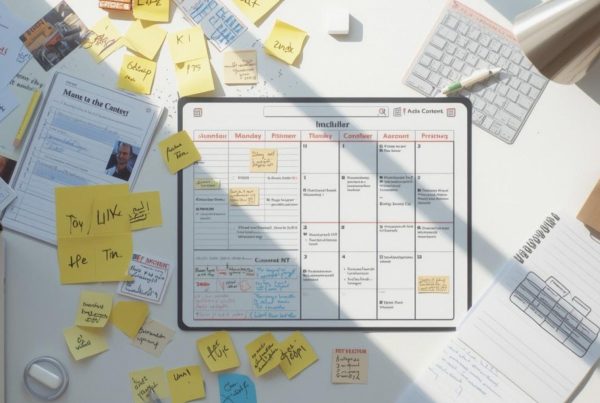

The Power of Email Marketing for Small Businesses
As a business owner, building strong connections with your customers is the key to lasting success. While social media and SEO grab much of the spotlight, email marketing remains one of the most effective and reliable tools to reach your audience directly. With the right strategy, you can build relationships, promote your products, and grow your business — all from your customers’ inboxes.
But here’s the challenge: how do you start building an email list that actually converts? Let’s walk through the basics of why email marketing matters, how to build your list, and the best practices to make it thrive.
Why Email Marketing Matters
Email marketing might seem old-fashioned in the age of TikTok and Instagram, but the numbers tell a different story. Studies show that for every $1 spent on email marketing, businesses can expect an average return of $36–$42. That’s a higher ROI than most advertising channels.
Here’s why email is so powerful:
- It’s personal. You’re speaking directly to people who’ve chosen to hear from you.
- It’s cost-effective. There’s no need for massive ad budgets — just consistent effort and value-driven messaging.
- It builds trust. Regular communication helps customers remember your brand and feel confident doing business with you.
- It drives conversions. Whether it’s booking a service, requesting a quote, or buying a product, email can guide users straight to action.

For businesses that rely on long-term client relationships — such as home service providers, local shops, and small agencies — email marketing is not optional; it’s essential.
Step 1: Start with a Strong Signup System
Before you can send emails, you need people to subscribe. And that starts with making it easy — and rewarding — for visitors to share their contact information.
Use Responsive Signup Forms
Add simple, mobile-friendly forms throughout your website — especially in high-traffic areas like your homepage, blog, and contact page. Keep the fields minimal (name and email are often enough). The simpler the form, the higher the conversion rate.
Offer Value in Exchange
People are more likely to give their email if they receive something in return. Try offering:
- Discounts or coupons for first-time subscribers
- Free guides or eBooks (e.g., “5 Tips to Protect Your Roof Before Monsoon Season”)
- Exclusive access to upcoming sales or special events
When you provide value upfront, your audience is more likely to stay engaged.
Add a Timed Pop-Up
Timed or exit-intent pop-ups can grab visitors’ attention before they leave your website. A well-designed pop-up offering a small incentive (like “Sign up for 10% off your first service”) can convert casual browsers into future customers.
Step 2: Build Trust with Engaging Content
Collecting emails is only the beginning. The real success of email marketing lies in the content you deliver.
Your emails should:
- Inform: Share helpful tips, news, and insights related to your business.
- Engage: Tell stories, feature testimonials, and include behind-the-scenes updates.
- Promote: Announce new services, limited-time offers, or special events.
For example, a roofing company could send a seasonal reminder like “Is your roof ready for storm season? Here’s how to prepare.” Meanwhile, a retail boutique could highlight “New arrivals for fall — shop the latest looks before they sell out!”
The goal is to keep your brand top-of-mind — without overwhelming subscribers with constant sales pitches.
Step 3: Segment and Personalize Your Emails
Not every customer wants the same thing, so personalization is key. Modern email marketing tools (like Mailchimp, HubSpot, or Constant Contact) allow you to segment your audience based on their interests, location, or past behavior.
For example:
- New subscribers could receive a welcome email with your top services.
- Returning customers could get loyalty discounts.
- Leads who haven’t converted might receive helpful educational content.

Personalized emails not only improve engagement rates but also make customers feel valued — a small touch that can lead to repeat business.
Step 4: Stay Consistent and Authentic
One of the biggest mistakes small businesses make is inconsistency. Sending one email and disappearing for months won’t build trust. Set a schedule — whether it’s weekly, biweekly, or monthly — and stick to it.
Your tone should be authentic and conversational, not overly formal. Treat your subscribers like part of your community. Share real updates, success stories, or even challenges you’ve overcome in your business. Authenticity builds connection — and connection drives loyalty.
Step 5: Track, Measure, and Improve
Once your emails are going out, it’s time to measure what’s working. Track key metrics such as:
- Open rate: Are people reading your emails?
- Click-through rate (CTR): Are they engaging with your links or offers?
- Unsubscribes: Are you sending too often or providing low-value content?
Use this data to refine your approach. Experiment with subject lines, visuals, and timing to see what your audience responds to best. The goal is continuous improvement — and steady list growth.
Why Every Business Should Invest in Email Marketing
Regardless of your industry, email marketing gives your business a direct, reliable way to communicate with your audience. Unlike social media platforms, where algorithms decide who sees your content, your email list belongs entirely to you. That means you control when and how you connect with potential customers.
With an email list, you can:
- Launch new services or promotions with immediate visibility.
- Drive repeat business through loyalty programs and updates.
- Strengthen your brand’s reputation through consistent communication.
It’s one of the few marketing tools that continues to deliver high results with minimal cost.
Don’t Miss Out on the Power of Email Marketing
Building and maintaining an email list may take time, but the long-term rewards are worth it. From customer retention to increased sales, it’s one of the smartest marketing moves you can make.
If your business hasn’t yet started leveraging email marketing, now’s the perfect time to begin. Start simple — with a sign-up form, a valuable offer, and a plan to stay consistent. Every subscriber you gain is another potential customer — and another step toward sustainable growth.
Ready to create an email marketing strategy that delivers real results?
Contact OrangeSky Websites today — our team can help you build, grow, and optimize your email campaigns for long-term success.