How Sales Automation Improves Lead Conversion and Boosts Revenue
In today’s digital marketplace, timing can determine whether a lead becomes a customer—or disappears entirely. When someone fills out a contact form, requests a quote, or downloads a resource from your website, they are showing real-time interest. In that moment, their attention is focused, their intent is high, and they are actively considering solutions.
If your business responds slowly, a competitor likely won’t.
This is where sales automation for lead conversion becomes a strategic advantage. Automation allows businesses to respond instantly through email, SMS, or structured follow-up sequences without relying solely on manual effort. The outcome is faster engagement, stronger first impressions, and higher conversion rates.
Let’s explore why response time matters so much—and how automation transforms inbound leads into measurable revenue.
Why Speed Directly Impacts Conversion
When a prospect submits their information, they are in an active decision-making state. They may be comparing providers, reviewing pricing, or researching solutions. That window of urgency doesn’t last long.
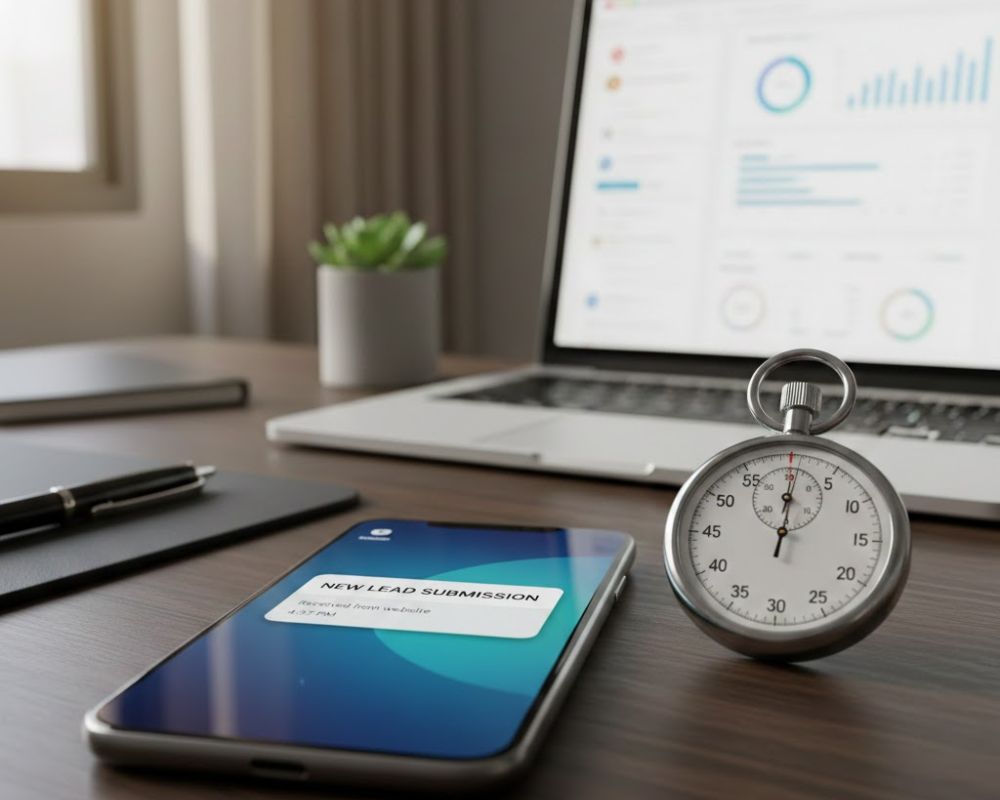
Research consistently shows that responding within five minutes dramatically increases the likelihood of connecting with and converting a lead. The longer the delay, the lower the engagement rate. Even waiting an hour can reduce your chances of meaningful contact. Waiting a full day often means the opportunity is gone.
Attention fades quickly. Buyers move on, get distracted, or commit elsewhere.
Sales automation protects that critical moment by ensuring every inquiry receives immediate acknowledgment—whether it comes in during business hours, after hours, or on the weekend.
What Sales Automation Actually Does
Sales automation refers to technology that manages repetitive follow-up actions automatically once a lead is captured. Instead of manually checking inboxes or assigning follow-up tasks, the system activates instantly.
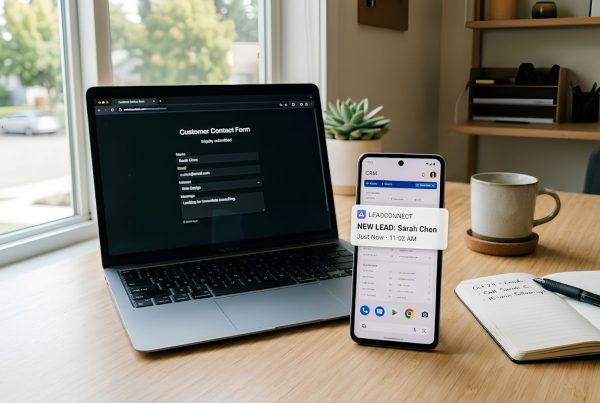
For example, when someone submits a form, automation can immediately send a personalized confirmation email, trigger a text message, notify your sales team, and begin a structured follow-up sequence. All of this happens within seconds.
Rather than replacing human interaction, automation supports it. It ensures consistency, eliminates missed inquiries, and prepares your sales team to engage while the lead is still warm.
The Five-Minute Rule and Why It Works
The five-minute response window is often referred to as the “golden window” in lead management. During this brief period, the prospect clearly remembers submitting their information and is far more likely to respond to communication.
Fast follow-up creates several psychological advantages. It reinforces professionalism, builds trust, and signals reliability. It also reduces the likelihood that the lead will continue searching for alternative providers.
An automated message doesn’t need to be complex. It simply needs to acknowledge the inquiry, confirm next steps, and invite engagement. Even a short message like, “Thanks for reaching out. We received your request and will contact you shortly,” can significantly improve contact rates when delivered instantly.
Consistency in that five-minute window creates momentum. Momentum leads to conversations. Conversations lead to conversions.
Why Text Messaging Strengthens Engagement
Email remains an important communication tool, but SMS has emerged as one of the most powerful follow-up channels available. Text messages are typically opened within minutes, often almost immediately.
Unlike email, which competes with dozens of other messages in an inbox, SMS feels direct and personal. When integrated properly into an automation system, it can confirm receipt, provide scheduling links, or invite quick replies without overwhelming the recipient.
The key is keeping messages concise and helpful. A brief confirmation with a clear next step is often more effective than a long explanation.
By incorporating text follow-up into your automation strategy, you increase the likelihood that your message is seen—and acted upon.
The Value of Multi-Channel Follow-Up
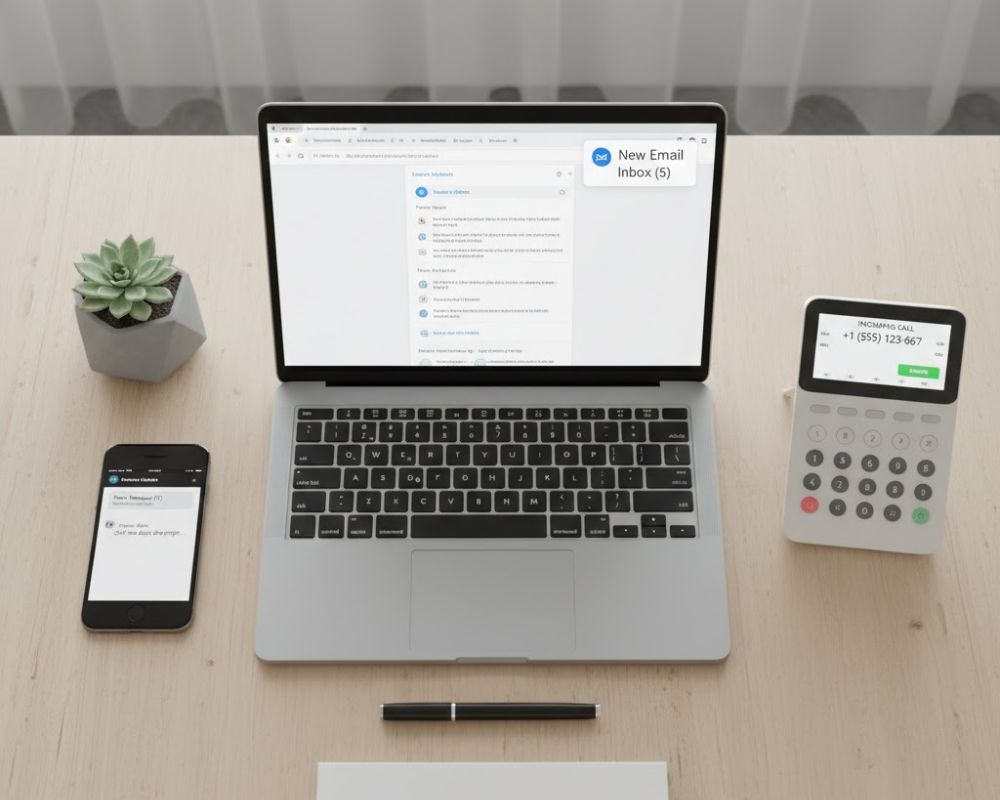
Effective sales automation does not rely on a single communication method. Instead, it coordinates multiple touchpoints to reinforce engagement.
An immediate email can provide detailed information and set expectations. A text message can prompt fast interaction. Internal alerts ensure your team can call the lead while interest is still high. When these channels work together, the prospect experiences a seamless and professional process.
This coordinated approach ensures no lead sits unattended and no opportunity quietly disappears.
Protecting Your Marketing Investment
Generating inbound leads requires effort and budget. Whether those leads come from SEO, paid advertising, social media campaigns, or referrals, each one carries an acquisition cost.
Without structured follow-up, that investment is at risk. Slow response times, missed notifications, and inconsistent communication can quietly reduce your return on marketing spend.
Sales automation strengthens inbound lead conversion by creating immediate acknowledgment, consistent messaging, and measurable tracking. Even a modest increase in conversion rate can produce substantial revenue growth over time.
In many cases, improving follow-up efficiency delivers stronger returns than simply increasing traffic.
Efficiency Without Complexity
A common misconception is that automation systems are complicated or time-consuming to manage. In reality, once configured correctly, automation operates quietly in the background.
It reduces repetitive manual tasks, organizes incoming leads, and ensures follow-up happens on schedule. Instead of chasing inquiries, your sales team can focus on meaningful conversations and closing deals.
Automation creates structure. Structure creates efficiency. Efficiency increases revenue.
Personalization Still Drives Results
Automation does not mean generic communication. Modern systems allow dynamic personalization based on the lead’s submitted information. Messages can reference the individual’s name, requested service, location, or appointment preferences.
This level of personalization ensures communication feels relevant rather than robotic. When automation is thoughtfully implemented, prospects often don’t realize the initial response was automated—they simply experience a business that is responsive and organized.
The goal is not to replace human interaction but to enhance it.
Measuring the Real Impact
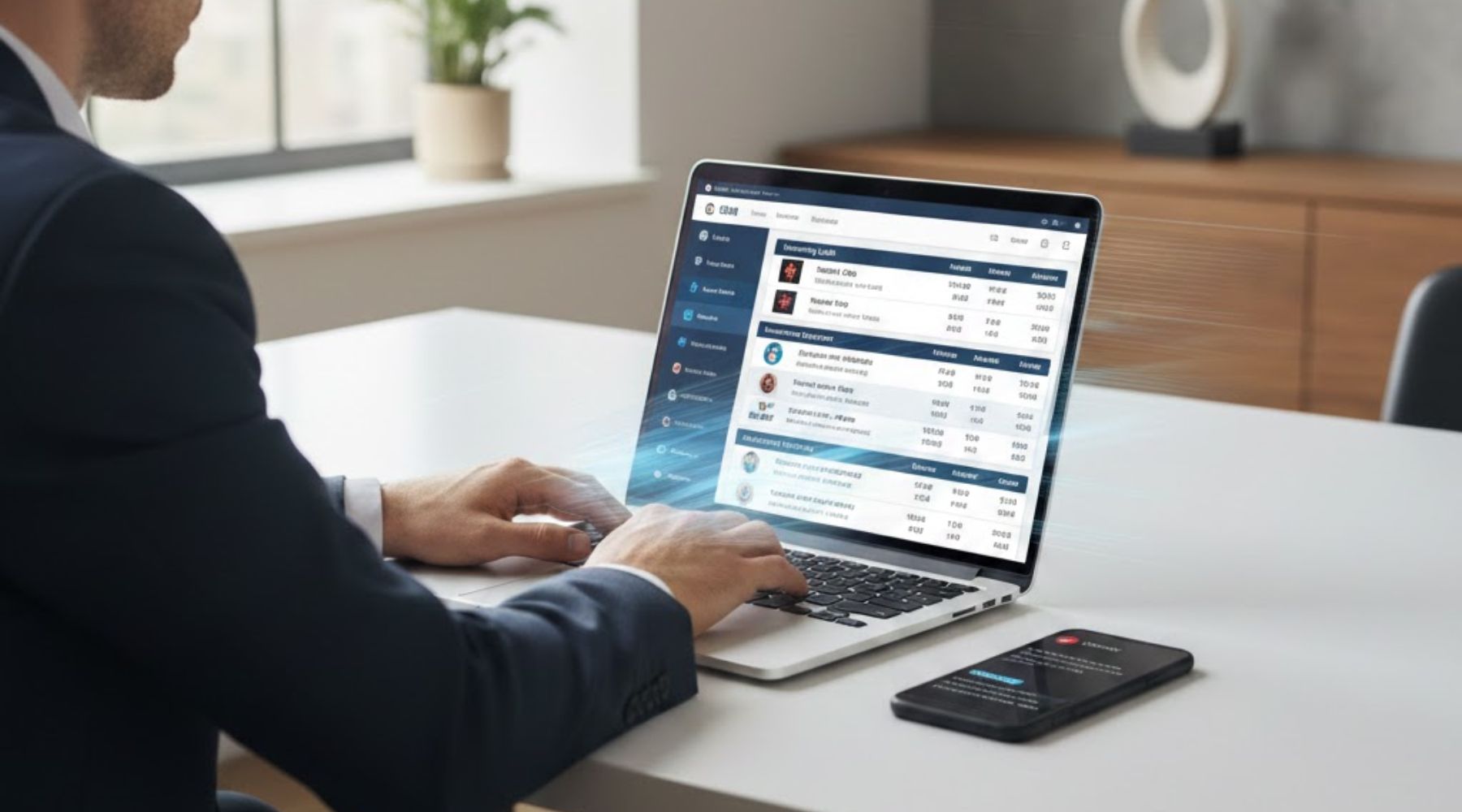
One of the most valuable aspects of sales automation is visibility. Businesses can track response times, engagement rates, follow-up performance, and overall lead-to-sale conversion.
These metrics provide clarity. Instead of guessing why conversions fluctuate, you can identify patterns and optimize accordingly. Faster response times often correlate directly with higher contact rates and shorter sales cycles.
With data-driven insights, automation becomes more than a tool—it becomes a growth strategy.
Is Sales Automation Right for You?
If your business generates inquiries through website forms, landing pages, advertising campaigns, or referrals, automation can significantly improve follow-up consistency. Service providers, agencies, contractors, consultants, and e-commerce brands alike benefit from faster engagement and structured lead management.
Any organization that depends on inbound interest can increase performance by responding more intelligently and consistently.
Final Thoughts: Turn Speed Into a Competitive Advantage
Sales opportunities don’t pause while your team catches up. Prospects expect timely responses, and businesses that deliver them consistently gain an edge.
Sales automation for lead conversion ensures every inquiry is acknowledged quickly, every lead enters a structured pathway, and no opportunity slips through unnoticed. It improves efficiency, protects marketing investment, and increases the likelihood that interest turns into revenue.
At OrangeSky Websites, we help businesses design and implement smart marketing automation systems that respond within minutes, integrate with CRM platforms, and drive measurable growth. From automated email sequences to SMS follow-up and streamlined workflows, we create systems that convert leads without increasing your workload. We also offer professional website design packages to ensure your site is optimized for capturing and converting leads effectively.
Ready to make every lead more valuable?
Contact OrangeSky Websites today and discover how sales automation can help you turn inbound inquiries into consistent revenue growth.