Top 5 Reasons to Invest in Website Redesign Services
In today’s fast-paced digital world, your website is more than just a virtual business card — it’s your digital storefront, your first impression, and often your primary tool for attracting and converting new customers. Whether you run a small local service or a growing eCommerce brand, your website plays a central role in your marketing strategy and overall success.
But here’s the truth: websites age quickly.
If your current website feels outdated, clunky, or ineffective, you’re not alone — and you’re not stuck with it. A professional website redesign can breathe new life into your brand, improve user experience, and help you achieve the results your business deserves.
So how do you know if it’s time to redesign? Below are five important signs that your business website needs more than a few quick fixes — it needs a full, strategic redesign.
1. Your Website Looks Outdated or Unprofessional
First impressions happen in seconds. If your website looks like it hasn’t been updated in years, your visitors will notice — and they may not stick around.
Design trends evolve quickly. What looked modern five years ago may now appear dated or amateurish. Elements like cluttered layouts, low-quality images, mismatched fonts, and clunky menus can send the wrong message. Even worse, they can create a lack of trust.
When people land on your website, they subconsciously ask:
“Does this business look credible?”
If your design feels old, their answer might be “no” — even if you offer excellent services.
A website redesign helps you align your online presence with your current brand identity and standards. A clean, professional, and visually consistent layout not only boosts credibility but also reinforces the quality of what you offer. With modern design techniques, you can also communicate brand values, tone, and personality more effectively — which helps build connection with your audience.
2. Your Site Isn’t Mobile-Friendly
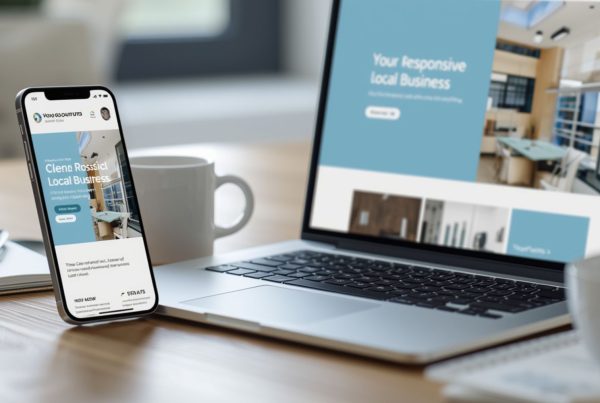
More than 60% of global website traffic comes from mobile devices, and that number continues to grow every year. That means most of your visitors are likely browsing your site from their phone or tablet — and if your site isn’t mobile-friendly, it’s costing you leads and sales.
A non-responsive website typically:
- Doesn’t adjust to different screen sizes
- Makes users pinch and zoom to read text
- Loads poorly on mobile networks
- Hides or distorts key content and CTAs
All of these things lead to a frustrating user experience, which in turn leads to high bounce rates and lost trust. And from an SEO perspective, mobile responsiveness is no longer optional. Google now uses mobile-first indexing, meaning it evaluates your mobile site first when determining how to rank you in search results.
A mobile-optimized redesign ensures your site is fully responsive, easy to navigate, and visually appealing on all devices. Whether your visitor is using an iPhone, Android, or tablet, they should be able to view your content effortlessly and take action with ease.
3. Poor User Experience Is Driving Visitors Away
User experience (UX) goes far beyond design — it’s how people feel when they interact with your website. If visitors can’t quickly find what they’re looking for, they’ll leave. Simple as that.
Common UX issues include:
- Confusing or inconsistent navigation
- Overwhelming content layouts
- Dead-end pages with no calls to action
- Broken links or slow-loading elements
The goal of any website is to guide users through a clear journey — from arrival to action. If your website causes friction at any step, whether it’s browsing, reading, clicking, or contacting, your conversions will suffer.
A redesign with a UX-first approach focuses on:
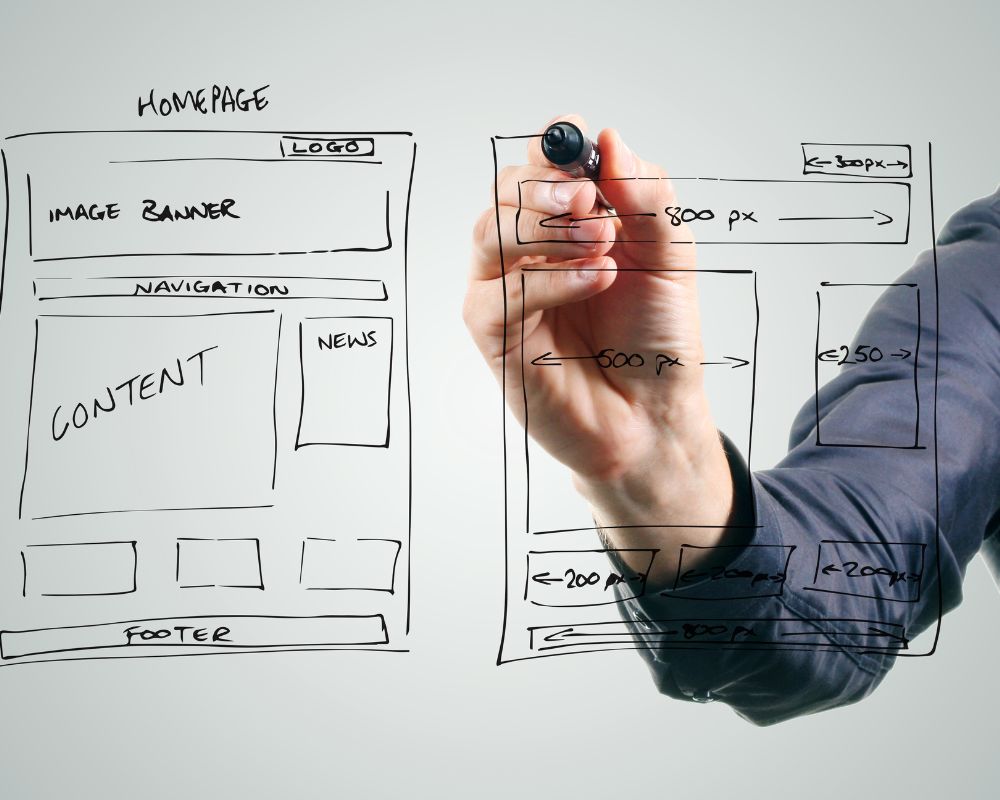
- Streamlining menus and site structure
- Creating intuitive navigation
- Organizing content into digestible sections
- Including visual cues to direct attention
- Making forms easy to complete
When visitors have a pleasant, effortless experience, they’re more likely to trust your brand, return later, and take the action you want — whether that’s booking a service, purchasing a product, or requesting a quote.
4. You’re Not Seeing Results (Leads, Sales, or Engagement)
Your website isn’t just a digital placeholder — it should be working for you around the clock. Whether your goal is to get more quote requests, increase product sales, schedule more appointments, or grow your subscriber list, your website should support and drive those objectives.
If you’re not seeing measurable results from your website — such as lead form submissions, phone calls, purchases, or even steady traffic — that’s a major red flag. Low conversion rates often stem from unclear messaging, weak calls-to-action, poor page layouts, or a lack of trust-building elements like testimonials and professional visuals.
A website redesign allows you to evaluate what’s not working and approach the entire structure with conversion in mind. This means placing calls-to-action where users are most likely to engage with them, streamlining the navigation to eliminate distractions, and rewriting copy to better communicate your value. It’s also a chance to integrate tools that track user behavior, so you can continue optimizing for success. If your current site isn’t delivering the results your business needs, a redesign may be the most impactful step you can take.
5. Your Website Loads Slowly and Has High Bounce Rates
Page speed is a critical part of both user experience and SEO performance. If your website takes more than a few seconds to load, users will likely click away before they even see your content. In fact, speed-related issues are one of the most common causes of high bounce rates. This means that visitors arrive, get frustrated, and leave — often without engaging at all.
Slow websites not only annoy potential customers, but also send negative signals to search engines like Google. The slower your site, the lower it may rank in search results, making it harder for people to discover your business online in the first place.
Performance issues often stem from oversized images, bloated code, outdated plugins, or poor server response times. A redesign gives you the opportunity to address all of these elements and improve load times dramatically. By optimizing every part of the site — from visuals to backend infrastructure — you’ll create a smoother, faster experience that keeps users on your site longer and encourages them to take the next step.
Time for a Website Redesign? Here’s Your Next Step
Redesigning your website isn’t just a cosmetic upgrade — it’s a strategic investment in your business. From boosting your credibility and improving the mobile experience to enhancing usability, increasing conversions, and optimizing performance, the benefits are clear.
If your site shows any of the signs above, it may be time to take action.
OrangeSky Websites offers professional, conversion-focused website redesign services tailored to your business goals. Whether you’re a local service provider, eCommerce brand, or growing startup, we work with you to design a site that not only looks amazing — but also performs exceptionally.
Let’s create a website that works as hard as you do. Contact us today to learn more about how our website redesign services can elevate your online presence.