
How to Prepare Your Website for Google’s AI Search Results
Search is evolving, and many small business owners are wondering what Google’s AI-powered search experience means for their websites. Instead of simply displaying a list of links, Google can now generate AI-powered summaries that answer questions directly on the search results page. While this may seem like a major shift, the goal hasn’t changed. Google still wants to provide users with the most accurate, helpful, and trustworthy information available.
That means businesses with well-built websites, informative content, and a strong online presence are still in an excellent position to succeed. The key is understanding how to adapt your strategy without abandoning the SEO fundamentals that continue to work.
If you’re looking to improve your Google AI search optimization, here are the strategies that can help your website remain visible as search continues to evolve.
Understand What Google’s AI Search Is Looking For
Google’s AI doesn’t simply pull random information from the internet. It analyzes content from websites it considers reliable, well-organized, and genuinely helpful before generating responses.
Instead of focusing solely on keywords, Google’s systems now pay closer attention to context, user intent, and the overall quality of a page. A page that thoroughly answers a customer’s question is much more valuable than several short pages created only to target individual keywords.
For small business owners, this is encouraging news. You don’t need hundreds of blog posts or a massive marketing budget. What matters most is creating content that demonstrates knowledge, answers common customer questions, and provides real value.
Write for Your Customers Before You Write for Search Engines
One of the biggest mistakes businesses make is trying to write content that sounds like it was created for search engines instead of people. AI search rewards websites that prioritize readers first.
Think about the questions customers ask during phone calls, consultations, or meetings. Those conversations often become the foundation for your best website content.
When creating a service page or blog post, ask yourself whether someone would leave the page with a better understanding of the topic. If the answer is yes, you’re already moving in the right direction.
This people-first approach has always been a core part of effective Search Engine Optimization (SEO), and it has become even more important as AI search continues to develop.
Build a Website That’s Easy to Navigate
Content is only one part of the equation. Your website also needs a structure that both visitors and search engines can easily understand.
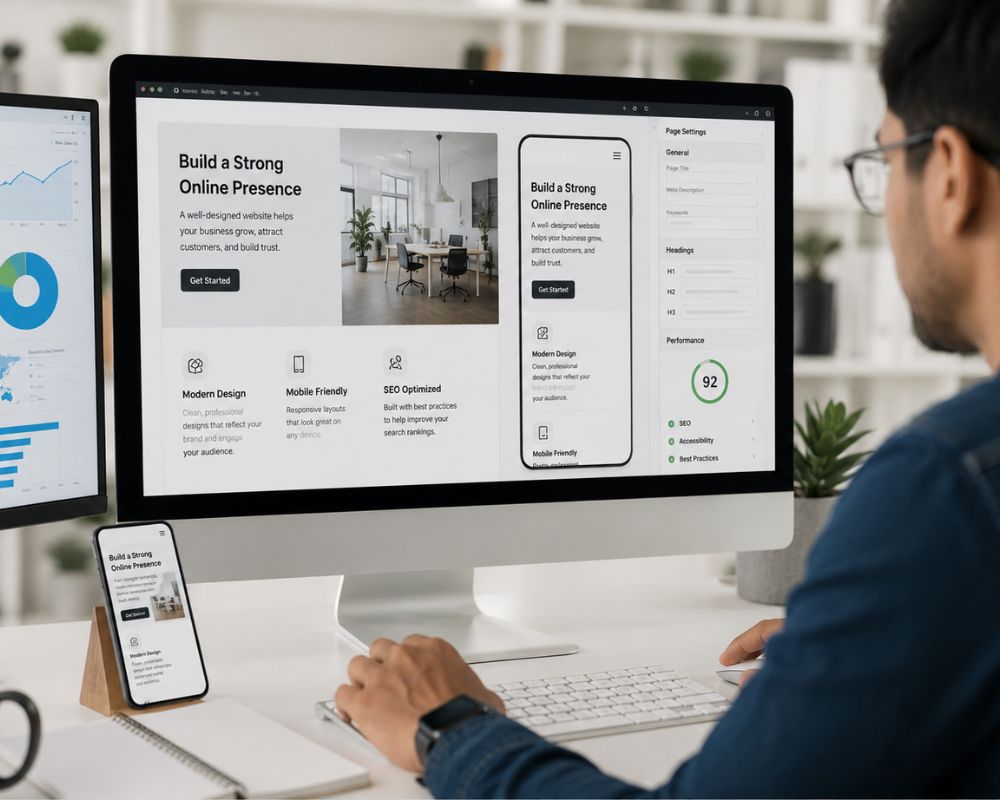
A clean navigation menu, descriptive headings, and logical page organization help Google identify what each page is about and how it relates to the rest of your website. Visitors benefit from this as well because they can quickly find the information they’re looking for without becoming frustrated.
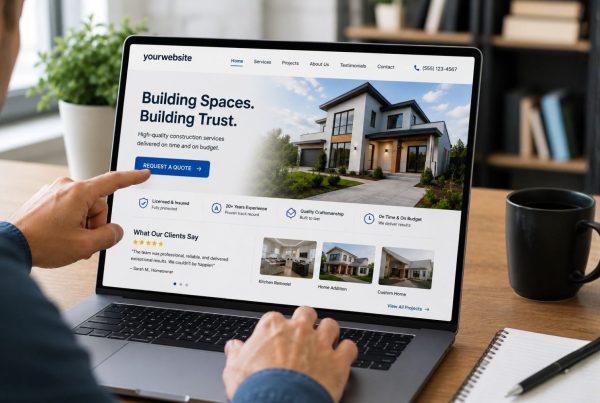
Professional Website Design isn’t just about creating an attractive homepage. It’s about building a website that makes sense from the moment someone lands on it. When users enjoy navigating your site, they tend to stay longer, visit more pages, and engage with your business—all positive signals that support long-term SEO performance.
Create Content That Demonstrates Experience
Anyone can summarize information found online. What sets your business apart is your own experience.
Share practical advice based on real customer interactions, completed projects, or challenges you’ve solved. Explain your process, answer frequently asked questions, and provide examples that reflect your expertise. This type of content helps both readers and Google understand that your business knows its industry.
Rather than publishing dozens of short articles, invest time in creating comprehensive resources that answer a topic thoroughly. A detailed, well-written guide often delivers more value than several thin pages covering similar subjects.
Keep Your Website Updated
An outdated website can make both visitors and search engines question the accuracy of your information. Regular updates show that your business is active and committed to providing current, reliable content.
Updating your website doesn’t always require writing brand-new articles. Sometimes, refreshing existing pages is even more valuable. Review your content regularly to ensure your services, pricing, contact information, and recommendations are still accurate. Adding new examples, updated statistics, or recent project photos can also strengthen the quality of older pages.
Small improvements made consistently often produce better long-term SEO results than occasional large redesigns.
Build Trust Throughout Your Website
Trust has become one of the strongest signals in Google’s ranking systems, and AI search is no exception. Before recommending a business, Google wants confidence that the information comes from a credible source.
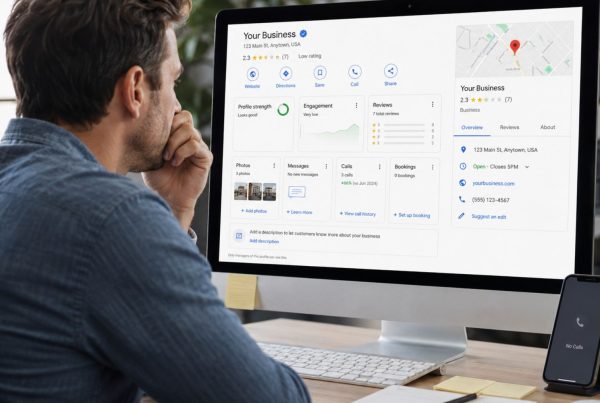
Your website should clearly communicate who you are, what you do, and why customers should choose your business. Testimonials, case studies, detailed service pages, professional photos, and complete contact information all contribute to building that credibility.
Visitors should never have to search for basic details about your company. The easier it is for someone to verify your legitimacy, the more confidence both users and search engines are likely to have in your website.
Don’t Overlook Technical Performance
Even the best content can struggle if a website is slow, outdated, or difficult to use on mobile devices.
Reliable Hosting & Maintenance helps ensure your website loads quickly, remains secure, and continues functioning properly as technology evolves. Broken links, outdated plugins, and long loading times can negatively affect both user experience and search performance.
Some of the technical areas worth monitoring include:
- Website speed and Core Web Vitals
- Mobile responsiveness
- HTTPS security
- Broken links and crawl errors
- Regular software and plugin updates
These technical improvements may not always be visible to visitors, but they play an important role in supporting your overall Google AI search optimization strategy.
Combine SEO with PPC for Better Visibility
Organic search remains one of the most valuable ways to attract long-term traffic, but it doesn’t have to work alone.
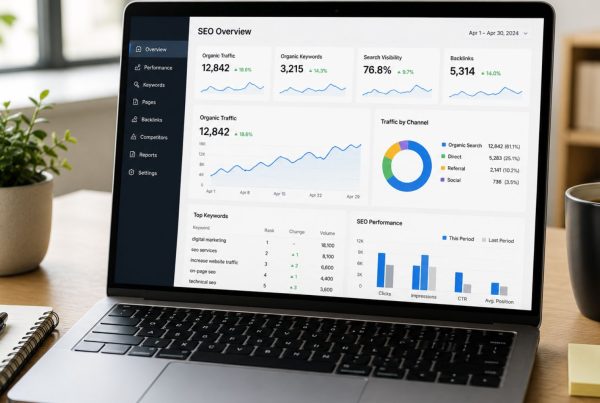
As Google continues introducing more AI-powered features, competition for visibility will become even stronger. That’s why many successful businesses combine Search Engine Optimization (SEO) with Pay-Per-Click Advertising (PPC).
SEO helps build sustainable traffic over time, while PPC allows your business to appear immediately for high-value searches. Together, they create a balanced digital marketing strategy that generates both short-term opportunities and long-term growth.
Rather than viewing them as competing strategies, think of them as complementary tools that help your business reach customers at different stages of their buying journey.
Focus on Long-Term Value Instead of Shortcuts
Every time Google updates its search experience, new shortcuts and “secret strategies” begin circulating online. Most of them disappear just as quickly as they appear.
Businesses that consistently succeed are usually the ones that stick to the fundamentals. They publish helpful content, maintain a fast and secure website, answer customer questions honestly, and continue improving their online presence over time.
The same approach applies to AI search. Instead of chasing trends, focus on becoming the best resource in your industry. When your website consistently provides value, Google has more reasons to recommend it—whether through traditional search results or AI-generated answers.
Prepare Your Website for the Future of Search
Google’s AI-powered search represents an evolution of search, not a replacement for SEO. The businesses that will benefit most are those that continue investing in helpful content, user experience, technical performance, and trustworthy information.
Preparing your website for AI search doesn’t require starting over. It requires building on a solid foundation and making continuous improvements that benefit both your visitors and search engines.
At OrangeSky Websites, we help small businesses stay ahead of changes in search through professional Website Design, strategic Search Engine Optimization (SEO), results-driven Pay-Per-Click Advertising (PPC), and dependable Hosting & Maintenance services. Whether you’re launching a new website or improving an existing one, our team can help you build a stronger online presence that’s ready for the future of search.
Ready to improve your website for Google’s AI-powered search results? Contact OrangeSky Websites today to learn how our digital marketing solutions can help your business grow with confidence.